
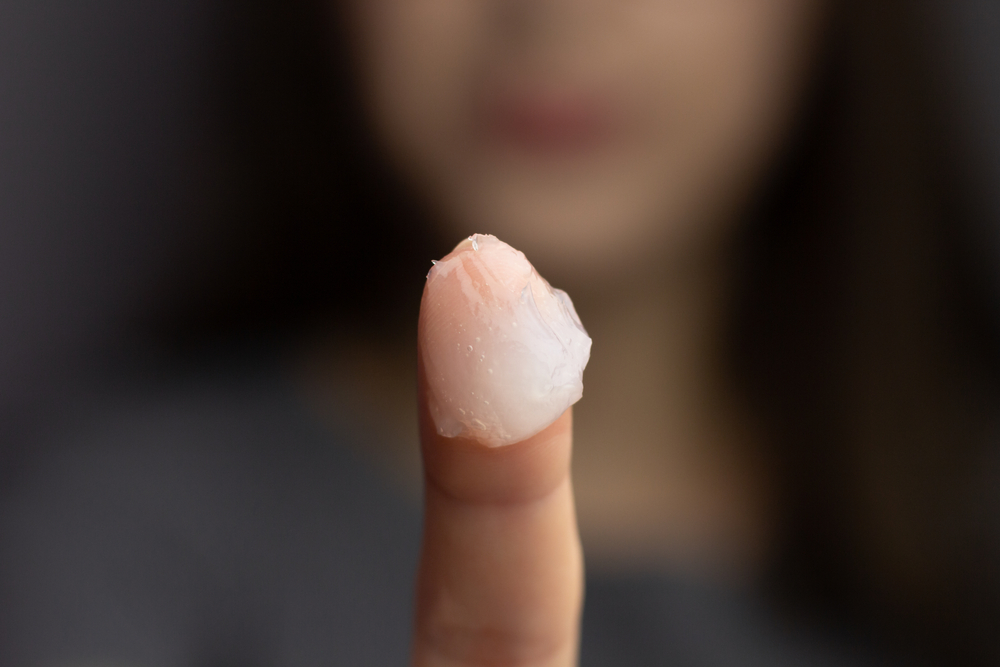
If you’ve spent more than fifteen minutes on skincare TikTok, you’ve already seen it: someone smearing a thick, glistening layer of Vaseline over their entire face before bed and waking up looking like they bathed in a cloud. It’s called slugging, and the internet is obsessed with it. But before you raid your grandmother’s medicine cabinet for petroleum jelly, there’s one question worth asking — do dermatologists recommend slugging, or is this just another viral trend we’ll be cringing at in three years?
Let’s break it down.
What Actually is Slugging?
Slugging is the practice of applying an occlusive — most commonly petroleum jelly (petrolatum) — as the final step in your nighttime skincare routine. The idea is simple: you’ve layered your serums, moisturizer, and actives, and now you’re sealing the whole thing in place with a physical barrier. Your skin can’t lose moisture overnight because there’s literally nowhere for it to go.
The name comes from, yes, the slug-like sheen it gives your face. Glamorous, it is not. Effective, it might be — depending entirely on your skin type and how you use it.
So, Do Dermatologists Recommend Slugging?
Here’s where it gets nuanced. Do dermatologists recommend slugging across the board? Not exactly — but many do acknowledge it as a legitimately useful technique for the right candidate. Dermatologists tend to be fans of petroleum jelly itself; it’s been around for over 150 years, is non-comedogenic in its pure form, and is one of the most well-researched occlusives in cosmetic science. The issue isn’t the ingredient — it’s who’s using it and how.
The general consensus is that do dermatologists recommend slugging comes with a caveat: it works beautifully for dry, dehydrated, or compromised skin types, but it can be a disaster waiting to happen for those who are acne-prone or oily. Petroleum jelly doesn’t clog pores on its own, but it can trap whatever is already on your skin — including bacteria, leftover actives, and sebum — and that’s where problems start.
The Skin Barrier Connection

One reason dermatologists are cautiously positive about slugging is its relationship to the skin barrier. For skin that’s dry, tight, and struggling, an occlusive layer can be a game-changer. If you’ve read our post on 5 Signs Your Skin Barrier Needs Help (and How to Fix It), you already know how essential a healthy barrier is — it’s the difference between skin that glows and skin that just… suffers quietly.
Slugging acts as a temporary stand-in while your barrier repairs itself underneath. It prevents transepidermal water loss (TEWL), which is the fancy way of saying it stops moisture from evaporating out of your skin while you sleep. For people whose skin is genuinely parched, this can feel like a revelation.
Who Should Slug (and Who Definitely Shouldn’t)
Good candidates for slugging:
- Dry or very dry skin types
- Compromised or sensitized skin that needs barrier support
- Anyone living in a low-humidity climate
- Those using retinoids or exfoliants who need a barrier buffer
Proceed with caution (or skip it entirely):
- Oily or combination skin types
- Acne-prone skin
- Anyone currently breaking out
- Rosacea-prone skin (though reactions vary)
If you’ve been using the wrong skincare products and your skin is already reacting, adding a thick occlusive on top of the chaos is not the power move you think it is. Fix the foundation first.
How to Slug Correctly, According to Dermatologists (Because Yes, Technique Matters)
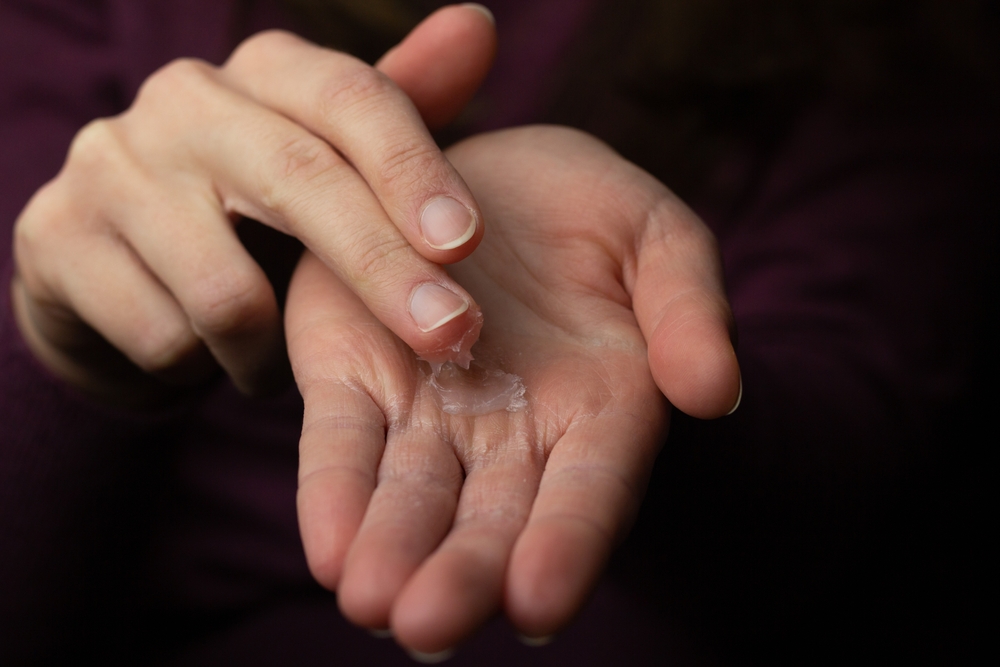
One of the biggest misconceptions about slugging is that you just slap on petroleum jelly and call it a night. If you want results without regrets, here’s the proper approach:
Step 1: Start with a clean face. A gentle, non-stripping cleanser is non-negotiable. You’re about to seal everything in — make sure “everything” is clean.
Step 2: Apply your hydrating layers first. A hyaluronic acid serum, your moisturizer, whatever your routine calls for. We’re currently obsessed with the high-end hydrating products from Vine Vera. Slugging seals in moisture; it doesn’t add it. This is not an either/or.
Step 3: Use a pea-sized amount of petroleum jelly. You’re going for a thin, sheer layer — not a Halloween costume. Less is genuinely more here.
Step 4: Apply to slightly damp skin for maximum occlusive benefit.
Step 5: Do not do this every single night. Two to three times a week is plenty for most people. Your skin needs to breathe, and your pillowcase needs a break.
If you’ve already mastered how to layer your skincare, adding slugging as a final step should feel intuitive. If your layering game still needs work, start there first — otherwise you’re just sealing in an inefficient routine.
What About Slugging with Active Ingredients?
This is where things get spicy in terms of do dermatologists recommend slugging — and not in a good way. Dermatologists are notably less enthusiastic when slugging gets combined with potent actives like retinoids or strong acids. Trapping a high-concentration active under an occlusive can intensify its effects significantly, potentially leading to irritation.
The smarter approach? This is actually where micro-dosing skincare shines. Use your actives on nights you’re not slugging, or use much gentler concentrations if you plan to seal them in. Your skin will thank you.
The Petroleum Jelly Debate
Some people are firmly anti-Vaseline on principle — it’s a petroleum derivative, and that sounds alarming to the clean beauty crowd. But from a cosmetic science standpoint, highly-refined petrolatum is considered one of the safest, most inert skincare ingredients available. It doesn’t react with skin, it doesn’t penetrate skin, and it doesn’t do anything except sit on top and prevent water loss. Which is, incidentally, exactly what you want from an occlusive.
If you’re philosophically opposed to petroleum jelly, alternatives include squalane, shea butter, and lanolin — though none of them create quite the same seal. Your results may vary.
The Verdict: Do Dermatologists Recommend Slugging?
In short: do dermatologists recommend slugging for dry, barrier-compromised skin? Yes, with caveats. It’s not a universal prescription, it’s not a miracle fix, and it’s not appropriate for everyone — but for the right skin type, used correctly, it’s a well-supported technique with legitimate benefits. If your skin is thirsty, tight, and desperate for relief, slugging might genuinely be the overnight reset it’s been asking for.
If your skin is oily, acne-prone, or already irritated? Skip it, simplify your routine, and focus on applying your skincare correctly before adding more steps.
The beauty of skincare — and the thing that no viral trend will ever change — is that what works brilliantly for one person can be a complete disaster for another. Know your skin, respect it, and maybe start with a patch test before you go full slug.
Your skin is worth knowing well. Petroleum jelly is just a tool.




Leave A Comment