

You’ve read the labels. You watched the YouTube tutorials. You’ve bought the serums that your favorite influencer swore would “change your life.” And yet — your skin is breaking out, peeling, or staging what can only be described as a full-scale protest. Sound familiar? You’re not alone. Wrong skincare products effects are one of the most common (and easily fixable) reasons people struggle with their skin, and understanding what’s actually happening beneath the surface can save your face — literally.
Let’s break it down, because your skin deserves better than a product graveyard on your bathroom shelf.
Your Skin Barrier is Basically Your BFF — Stop Betraying It
The skin barrier (scientifically: the stratum corneum) is the outermost layer of your skin. It keeps the good stuff in (moisture, lipids) and the bad stuff out (pollutants, bacteria, your ex’s toxic energy). When you use products that don’t match your skin type or that contain ingredients your skin simply cannot handle, the first casualty is almost always this barrier.
Wrong skincare products effects on the barrier look like: chronic dryness, redness that won’t quit, a sudden sensitivity to products you’ve used for years, and that tight, uncomfortable feeling after cleansing. If your face feels like parchment paper by noon, your barrier is waving a white flag.
The fix? Step away from the 12-step routine and get back to basics. Our guide to rebuilding your skin barrier walks you through exactly how to hit the reset button.
Breakouts That Aren’t Actually Acne (But Look Exactly Like It)
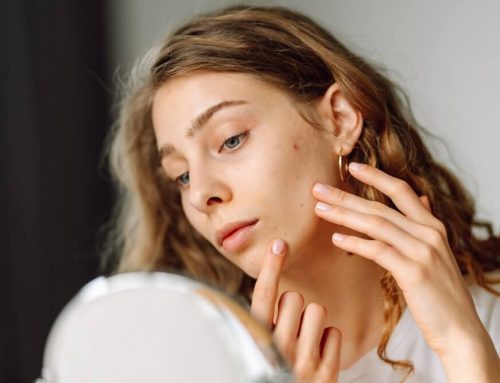
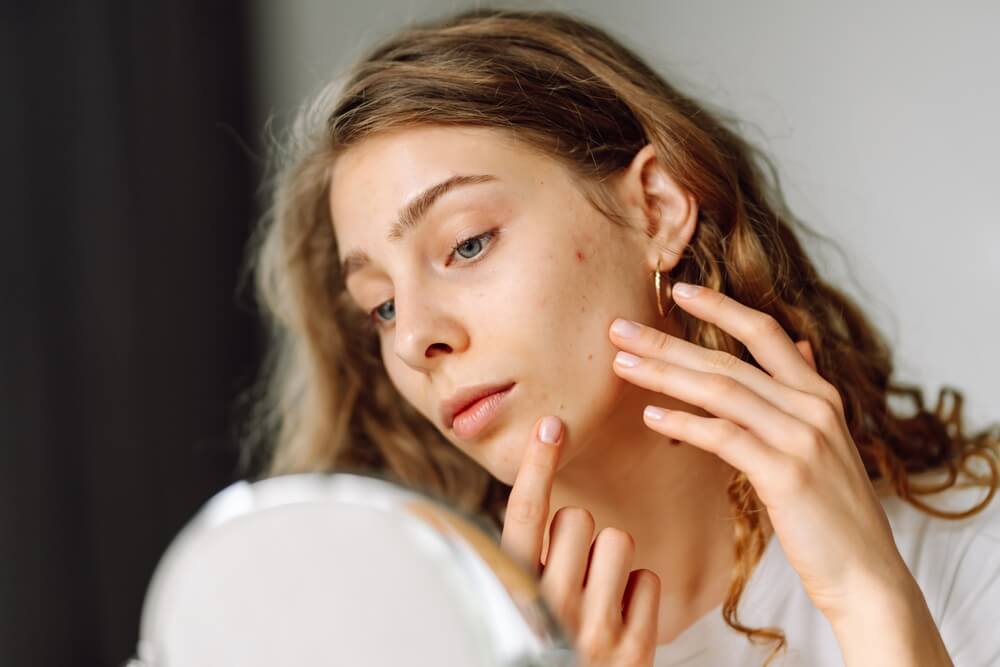
Here’s a plot twist: not every bump is a pimple. When you use products that are too heavy, too occlusive, or formulated with comedogenic ingredients for your skin type, you can trigger comedonal acne — those small, stubborn, under-the-skin bumps that don’t respond to acne treatments because they were never traditional acne to begin with.
This is one of the sneakiest wrong skincare products effects out there, because it sends people spiraling into stronger actives (salicylic acid! benzoyl peroxide! retinol!) when what their skin actually needed was a lighter moisturizer. More actives on a broken-out, compromised skin barrier = more inflammation. More inflammation = more breakouts. It’s a cycle that feels personal but is really just chemistry.
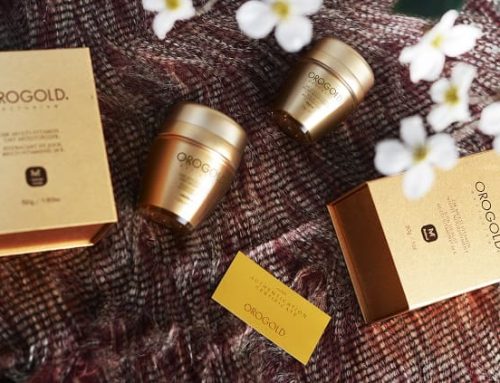
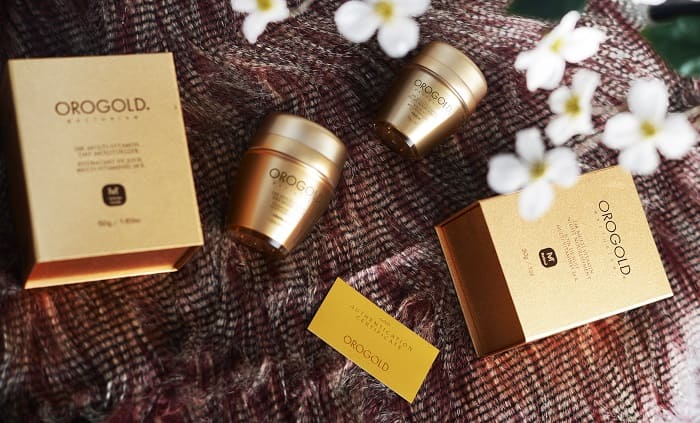
If your breakouts started after introducing a new product, that product is your prime suspect. Look for high-quality alternatives – we love the multi-tasking luxury skincare formulas from Orogold!
Over-Exfoliation: The Skincare Crime Nobody Talks About Enough

Raise your hand if you have at least three exfoliating products in your routine. Yep. That’s what we thought.
Exfoliation is wonderful — in moderation. But layering AHAs, BHAs, and physical scrubs because “more = better” is a fast track to wrong skincare products effects territory. Over-exfoliation strips away the cells your skin is actively trying to use for protection, leaving you with sensitized, shiny (not in a glow way — in a raw, angry way), reactive skin.
Signs you’ve gone too far with exfoliation:
- Your skin stings when you apply water
- Every product you use suddenly “burns”
- You’ve developed small, red, angry patches that look like a rash
- Your skin feels tight and looks waxy under light
The solution is boring but effective: stop all actives, use a gentle cleanser, apply a basic moisturizer, and wear SPF. Let your skin breathe. Once you’re ready to start exfoliating again, pick an exfoliant that won’t harm your skin.
The pH Problem Nobody Warned You About
Skin has a natural pH of around 4.5–5.5 — slightly acidic. Many products, particularly older-formula toners and certain cleansers, can throw that pH off dramatically. When your skin’s pH is disrupted, everything downstream suffers: your moisturizer doesn’t absorb properly, your actives don’t activate at the right rate, and bacteria that normally wouldn’t thrive suddenly have a party.
This is a less-discussed category of wrong skincare products effects, but it’s real. Soap-based cleansers, for instance, can have a pH as high as 9 or 10 — catastrophic for your acid mantle. If your skin has been mysteriously “off” and nothing seems to help, pH imbalance could be the silent villain.
Hyperpigmentation and Irritation That Lasts Longer Than Your Relationships
Certain ingredients — retinoids, vitamin C, exfoliating acids — are powerful. Wonderful. Life-changing, even. But used incorrectly (too high a concentration, too frequently, without SPF, or in incompatible combinations), they can cause post-inflammatory hyperpigmentation (PIH) and prolonged irritation that takes months to fade.
Wrong skincare products effects in this category are particularly frustrating because the damage is visible and slow to reverse. Mixing vitamin C with niacinamide incorrectly, using retinol every night as a beginner, or skipping sunscreen while on actives — these are the missteps that lead to dark spots, uneven tone, and skin that looks worse than it did before your skincare era began.
What’s the fix? Check out our guide to micro-dosing skincare so that you can make the most of your actives without any irritation.
FAQ: Effects of Using the Wrong Skincare Products
Q: Can wrong skincare products effects cause permanent damage?
Most wrong skincare products effects are reversible with the right corrective routine — but persistent misuse of strong actives without protection can lead to long-term hyperpigmentation or a chronically sensitized barrier. Act fast, and the skin can recover. Ignore the warning signs, and it gets harder.
Q: How long does it take skin to recover after using the wrong products?
Mild reactions typically resolve in 1–2 weeks with a simplified, gentle routine. Compromised barriers or significant irritation can take 4–8 weeks to fully heal. Patience is the most underrated skincare ingredient.
Q: Do wrong skincare products effects differ by skin type?
Absolutely. Oily skin is more prone to clogged pores and breakouts from heavy products; dry skin is more vulnerable to barrier disruption from over-stripping cleansers; sensitive skin reacts faster and harder to fragrance and actives. Knowing your skin type isn’t optional — it’s the foundation of every good routine.
The Bottom Line on the Effects of Using the Wrong Skincare Products
Your skin is not a science experiment — or at least, it shouldn’t be. The wrong skincare products effects range from mildly annoying (a little dryness) to genuinely distressing (months of breakouts, hyperpigmentation, or a wrecked skin barrier). The good news? Most of it is reversible, and all of it is preventable once you understand how your skin actually works.
Start simple. Patch test new products. Introduce one new product at a time, and give it 4–6 weeks before you judge. And when in doubt? Less is almost always more.
Your skin is already doing a lot of work. Give it products that work with it, not against it.

Leave A Comment