

You’re fine. Totally fine. You’re just a little tired — the kind of tired that eight hours of sleep doesn’t fix and a weekend can’t quite touch. You’re still showing up, still checking things off the list, still answering emails at 10 p.m. with a smiley face. But somewhere underneath all that productivity, something in you is quietly running on fumes.
If that sounds familiar, these slow living tips weren’t written for the person meditating in a linen robe with a matcha in hand. They were written for you — the secretly burned out, outwardly functional human who needs to slow down but has no idea where to start.
What “Slow Living” Actually Means (It’s Not What Instagram Says)
Slow living isn’t about doing less for the sake of aesthetics. It’s about doing things with intention rather than momentum. It’s the difference between rushing through your morning skincare routine and actually taking sixty seconds to breathe while you do it. If you’ve noticed lately that your skin is reacting to products that never used to bother you, chronic stress could be part of the reason — your body is always the first to tell you what your mind hasn’t admitted yet.
Slow living is a practice, not a personality type. And the good news? You can start without quitting your job or moving to a cottage.
1. Audit Your Morning Before You Add Anything to It
Most slow living advice tells you to add things — a gratitude journal, a walk, a phone-free hour. But if you’re burned out, adding is the problem. Start by looking at what’s already happening in your first thirty minutes awake and ask: does this serve me, or did I just start doing it?
Checking your phone before your feet hit the floor is a habit, not a necessity. Cut one thing before you consider adding anything.
2. Treat Your Skincare Routine as a Non-Negotiable Pause
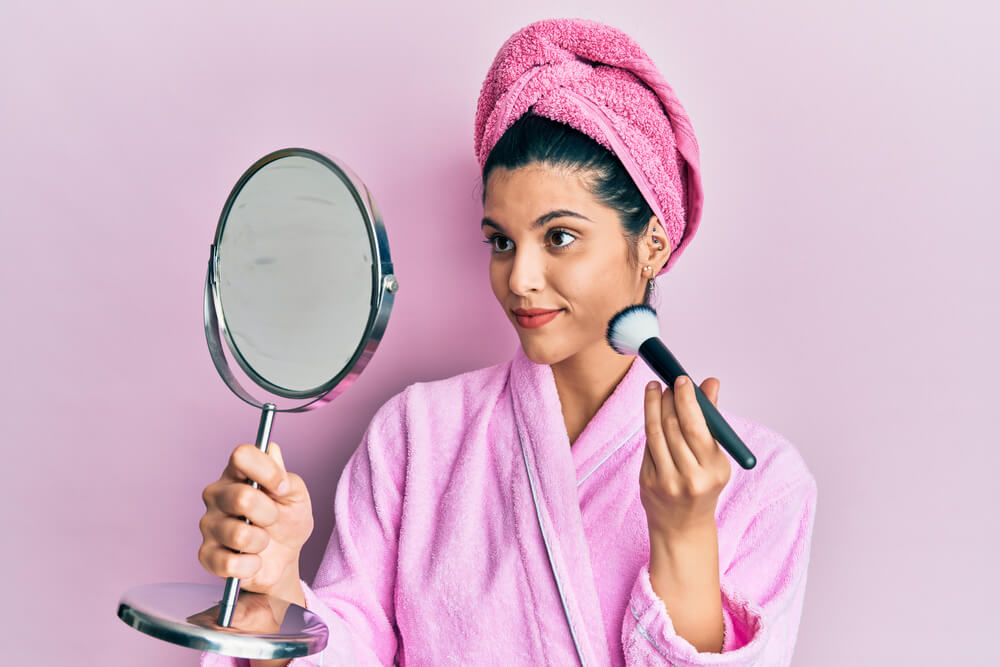
This one is underrated. A consistent skincare routine is one of the easiest ways to build a daily ritual that forces you to slow down — even if just for five minutes. The catch? It only works if you actually show up for it. Not the rushed, mascara-still-on version. The real version.
If your skin has been looking dull or feeling reactive, it’s worth checking whether your barrier is compromised — stress is a known trigger. Read up on the signs your skin barrier needs help so you know what you’re working with. Treating your skin well is a form of treating yourself well. That’s not vanity — that’s maintenance.
3. Eat One Meal Without a Screen
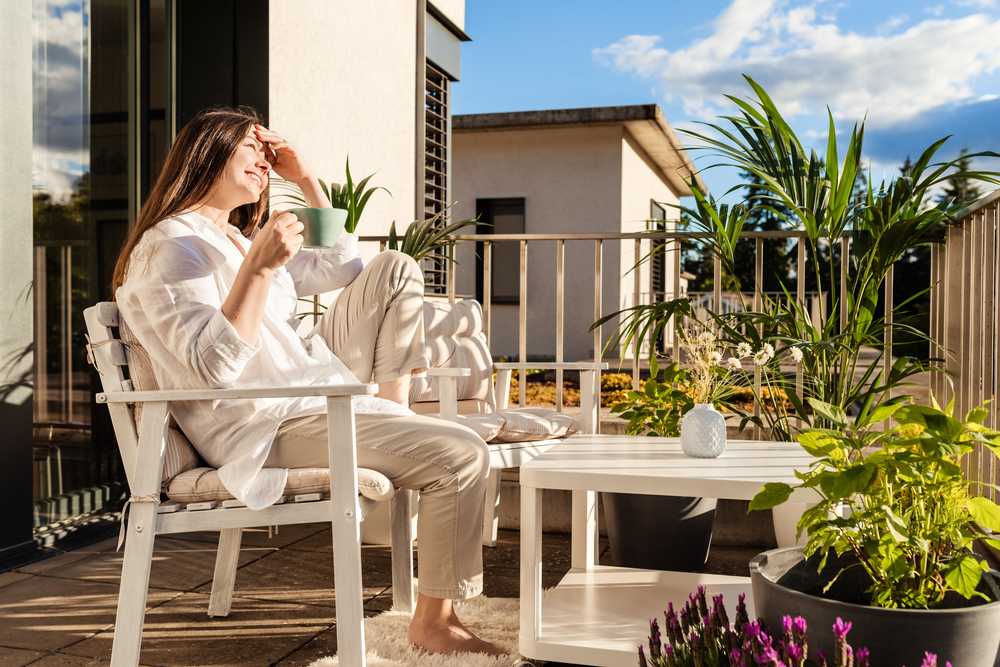
Not every meal. Just one. You’d be surprised how radical it feels to sit with your lunch and actually taste it. Slow living tips rarely mention food, but eating is one of the most embodied things we do — and most of us do it while watching something, reading something, or doom-scrolling something.
If you want to go a step further, eating well is also one of the most direct ways to support how your body (and skin) handles stress. Foods that support glowing skin tend to be the same ones that support your nervous system — that’s not a coincidence.
4. Say No to One Thing This Week Without Explaining Yourself
Burnout often lives in the gap between what you actually want and what you’ve agreed to. Slow living, at its core, is about closing that gap — and the fastest way to close it is to start saying no.
Not a long email. Not a “let me see if I can reschedule.” Just: “I can’t make that work right now.” You don’t owe anyone a paragraph.
5. Build a Wind-Down Ritual That Has Nothing to Do With Productivity
The hours before bed are not bonus work hours. They’re recovery hours — and how you spend them directly affects whether tomorrow starts from a slightly fuller tank or an emptier one.
Slow living tips often focus on mornings, but evenings matter just as much. Try: dim lights by 8 p.m., no new information after 9 p.m. (news, emails, work chat), and something tactile before sleep — a real book, a long skincare routine, a short stretch. Techniques like overnight slugging — sealing in moisture with an occlusive layer — have become popular partly because they force you to slow down before bed. If you’re curious whether it’s worth trying, here’s what dermatologists actually say about slugging.
6. Take One Thing Off Your Plate and Don’t Replace It
This is where slow living tips usually lose people, because we’re conditioned to fill space. But white space on your calendar isn’t wasted time — it’s recovery time. Think about what you’ve been doing out of obligation, habit, or guilt. Pick one. Drop it. Do not immediately schedule something else in its place.
That empty hour is the point.
7. Notice What You’re Ignoring
Burnout has a funny way of manifesting in places we don’t expect — dark circles that won’t budge, skin that looks tired no matter how much you sleep, a general sense of looking in the mirror and not quite recognizing the energy behind your eyes. These aren’t vanity concerns. They’re signals.
One of the most underrated slow living tips is simply paying attention. Slow down enough to notice what your body is flagging. Then, instead of suppressing it with a new supplement or a harder workout, sit with the question: what do I actually need right now?
The Secret Nobody Tells You About Slow Living
The irony of slow living tips is that reading them can become another form of productivity theater — another thing to optimize, another list to complete. The real practice isn’t found in any article. It’s in the pause between tasks when you choose not to pick up your phone. It’s in the morning where you make coffee slowly, on purpose. And it’s in the decision to take care of your skin, your food, and your evenings like they matter — because they do.
You don’t have to overhaul your life. You just have to stop treating rest as something you’ll get to eventually.
Eventually is now.






Leave A Comment