
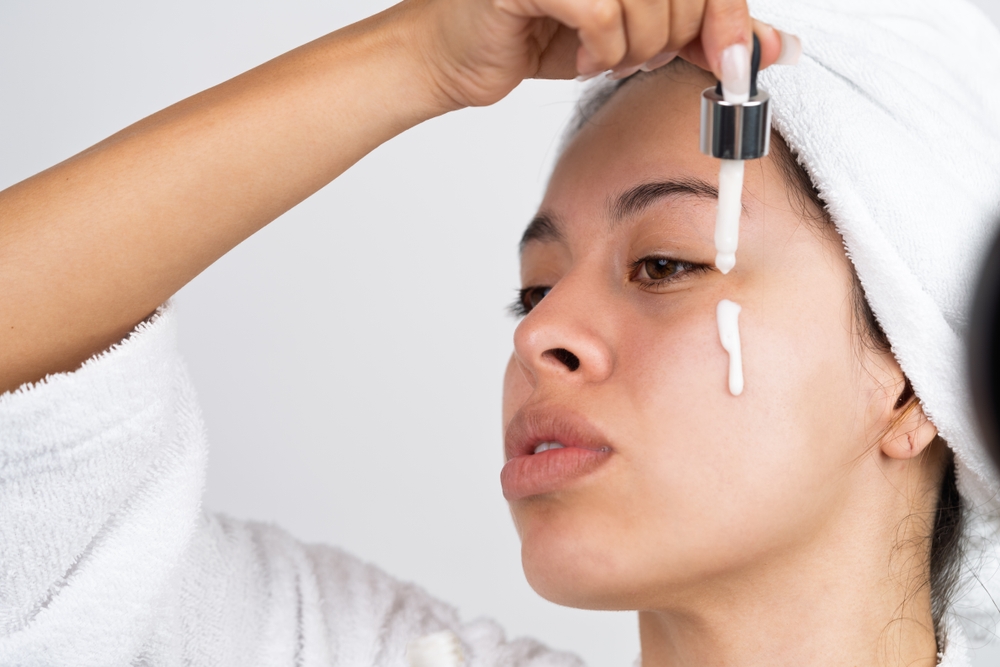
Somewhere between your cleanser and your moisturizer, skincare grew a dairy aisle. Milk cleansers, milk toners, milk emulsions, even milk mists: milky skincare is the texture of the moment, and for once the hype has science behind it. Unlike a few of the viral TikTok skincare trends that make dermatologists wince, these formulas do something genuinely useful. They deliver water and lipids together, which is exactly what a stressed barrier is begging for.
What is Milky Skincare?
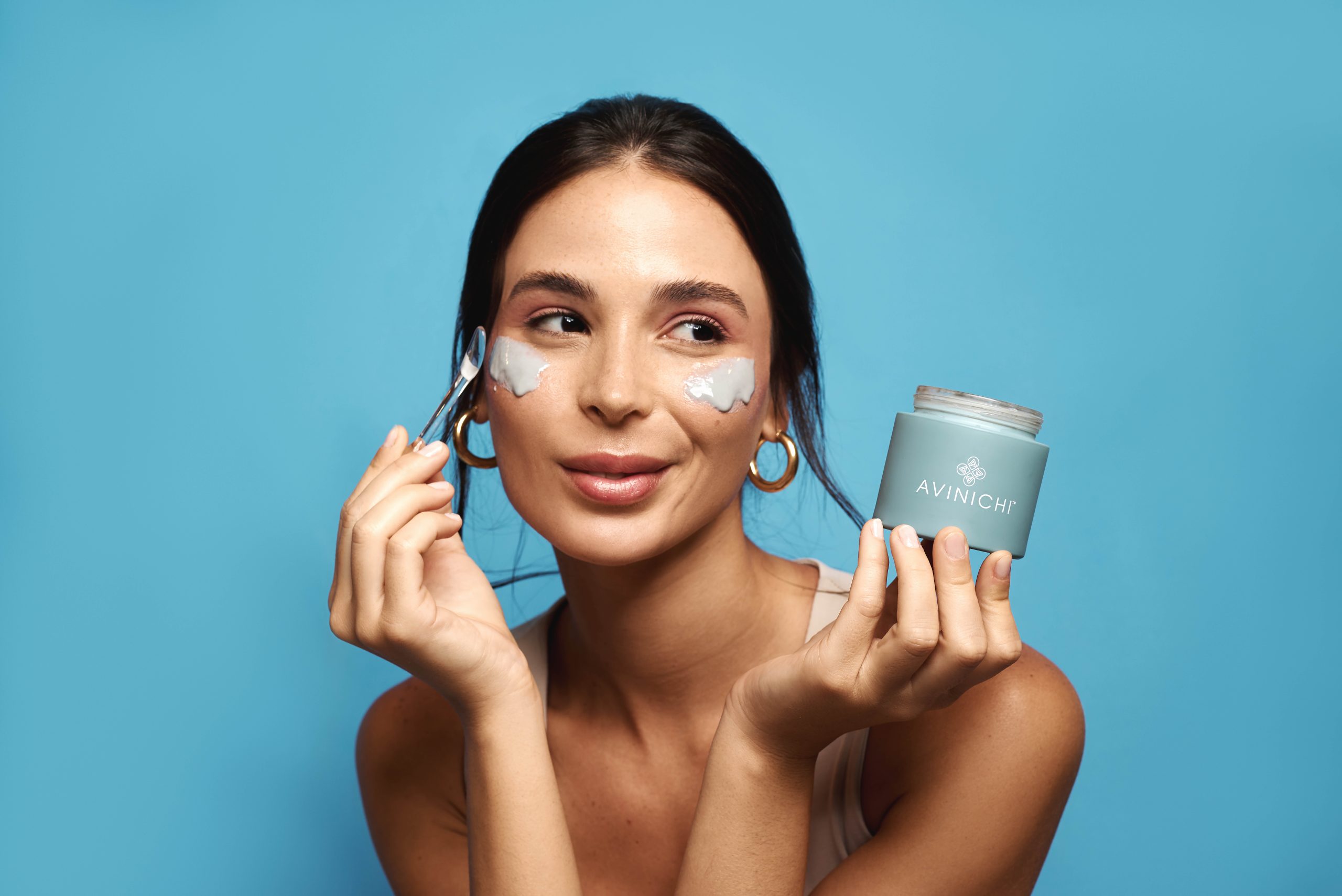
It’s an emulsion: tiny droplets of oil suspended in water and held together by an emulsifier. Those droplets scatter light, which is why the formula looks white and opaque.
Notice what that doesn’t require: actual milk. Plenty of milky formulas use oat, rice, or almond extracts, and some contain nothing dairy at all. The name describes the look and feel: thin and pourable, somewhere between a toner and a lotion.
Why Milky Skincare is Trending Right Now
Skincare is finally breaking up with the “if it doesn’t sting, it isn’t working” mindset. Barrier-first routines are in, and milky textures fit the mood: soft, low-drama, and easy to layer.
There’s also precedent. Korean and Japanese routines have relied on emulsions and “milky lotions” for years. The West is just catching up, and cold-weather dryness is giving it a reason.
Why Your Skin Barrier Loves Milky Textures
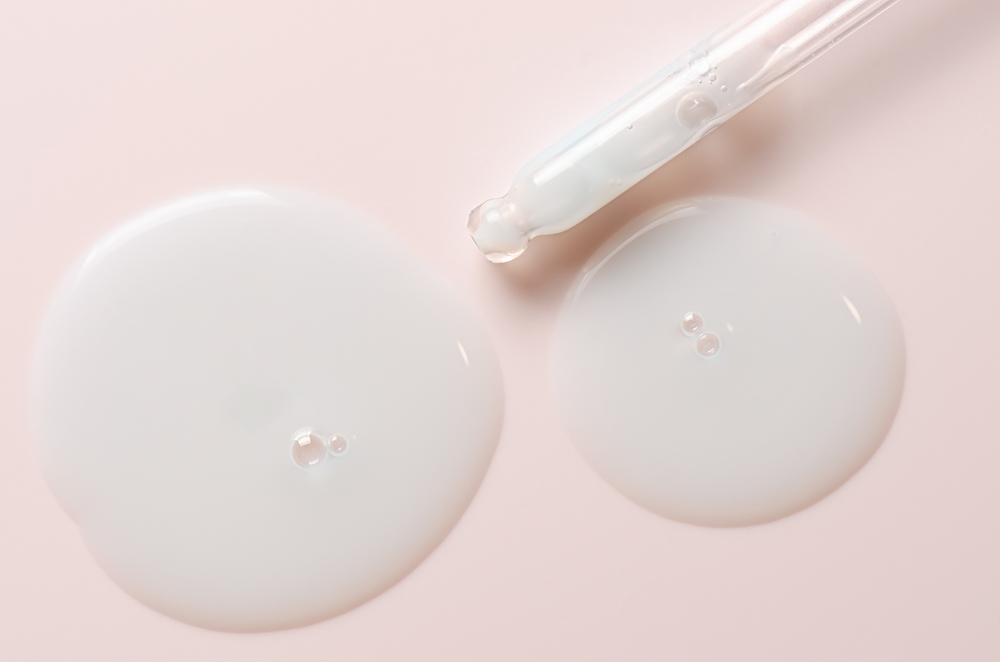
Your barrier works like a brick wall. Skin cells are the bricks. Ceramides, cholesterol, and fatty acids are the mortar. When the mortar crumbles, water escapes and irritants sneak in.
Here’s how milky formulas help:
- Water plus lipids in one step. Humectants alone can leave skin thirstier in dry indoor air unless something seals them in. An emulsion does both jobs, which matters when heating season makes dry, itchy winter skin everyone’s problem.
- Gentler cleansing. Milk cleansers lift makeup with emollients instead of a mountain of foaming surfactants, so they strip less of that precious mortar.
- Low friction. Thin textures pat on without tugging, which beats rubbing a stiff cream into irritated skin.
The Milky Lineup: What Each Type Actually Does
- Milk cleanser: Best as a nighttime first cleanse or for sensitive skin. Massage onto dry skin, add a splash of water to emulsify, then rinse.
- Milk toner or essence: A hydrating layer, not a cleanser. Pat it in; don’t swipe it.
- Milky emulsion or lotion: The workhorse. It can replace a gel-cream in your morning routine.
- Milk mist: Handy for midday top-ups, but it’s a refresh, not a repair.
How to Read the Label
Milky skincare is a texture, not a guarantee. A white formula that’s mostly water and fragrance won’t rebuild anything. Scan the ingredient list for:
- The barrier trio: ceramides (listed as Ceramide NP, AP, or EOP), cholesterol, and fatty acids. The higher on the list, the better.
- Colloidal oatmeal (Avena sativa): an FDA-recognized skin protectant and a classic for itchy, tight skin.
- Soft supporters: glycerin, panthenol, and squalane.
- Real dairy: milk-derived ingredients often appear as “Lac” or “milk protein.” If you’re dairy-sensitive, patch test first.
- Lactic acid: named for milk, and it exfoliates. A toner containing it counts as an acid, so don’t stack it with other exfoliants.
- Fragrance high on the list: the prime suspect if your skin stings.
Application Hacks That Actually Move the Needle
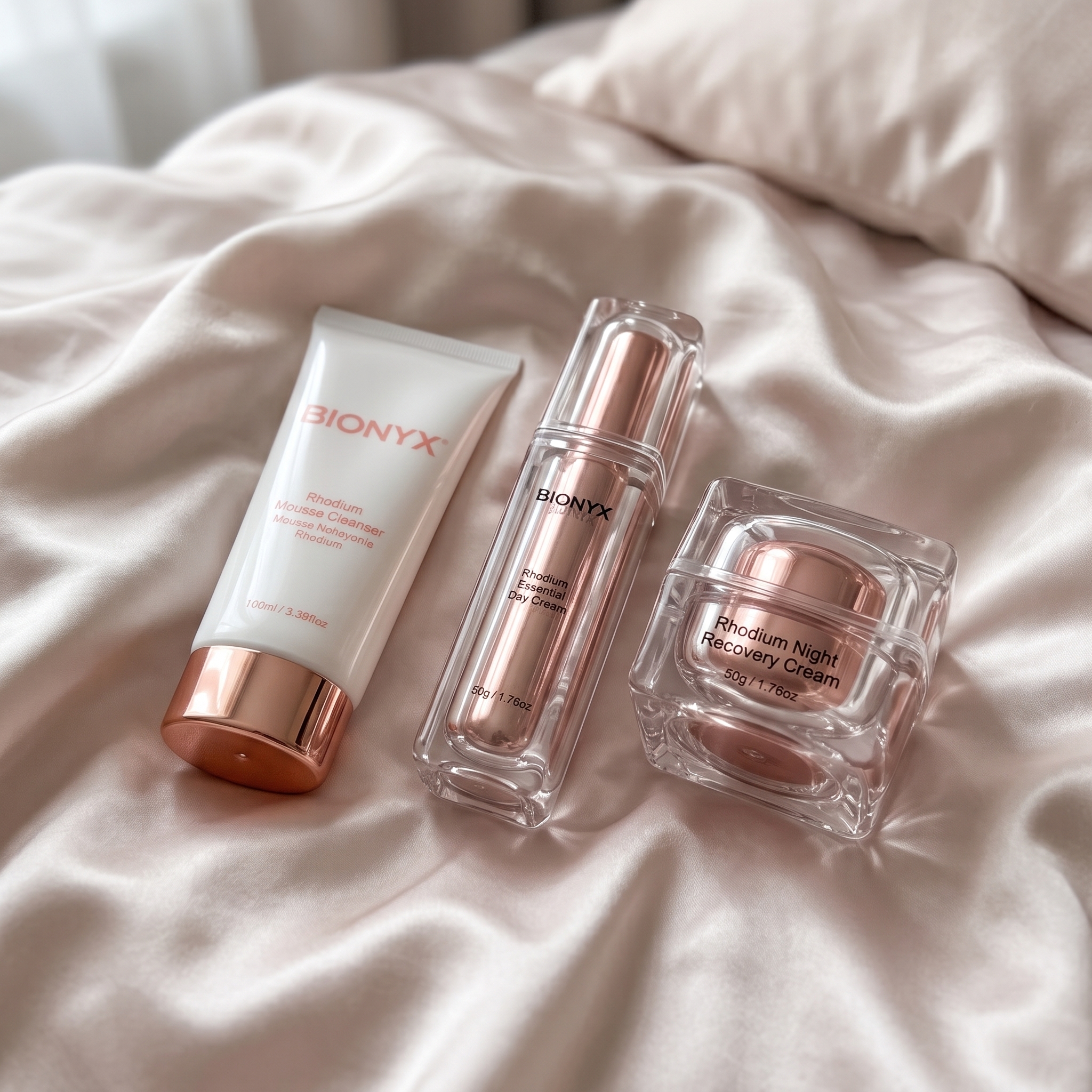
- Run the 60-second test. After cleansing, wait a minute. If your face feels tight, your cleanser is too stripping, and a milk cleanser is the easy swap. Our dry-skin review of the Bionyx Rhodium cleanser found it rinsed clean without that squeaky feeling, which is the benchmark.
- Apply to damp skin. Pat your emulsion on within a minute of cleansing to trap water.
- Go thinnest to thickest. Milky layers are thin, so they go early. Creams and balms go last.
- Give each layer a beat. Pilling is usually a technique problem, and these common application mistakes are easy to fix.
- Don’t stack four milky layers. A cleanser, toner, and emulsion is plenty. Add a mist and a mask and you’ve made a film, not a routine.
A Two-Week Barrier Reset Using Milky Textures
Morning: Milk cleanser (or just water if skin is dry), milky emulsion, then SPF.
Night: Milk cleanser, optional milk toner, emulsion. If you like slugging, seal only the dry patches instead of your whole face.
For 14 days: Pause retinoids, strong acids, and scrubs. Resist the urge to layer too many serums onto a healing barrier. One simple hydrator beats four actives.
Then reintroduce: One active at a time, a few nights a week, the same gradual way you’d approach micro dosing potent actives.
How do you know it’s working? Stinging stops, tightness fades, and flaking smooths out. If your skin is stinging, tight, and flaky all at once, those are the classic signs your barrier needs help.
Match the Texture to Your Skin Type
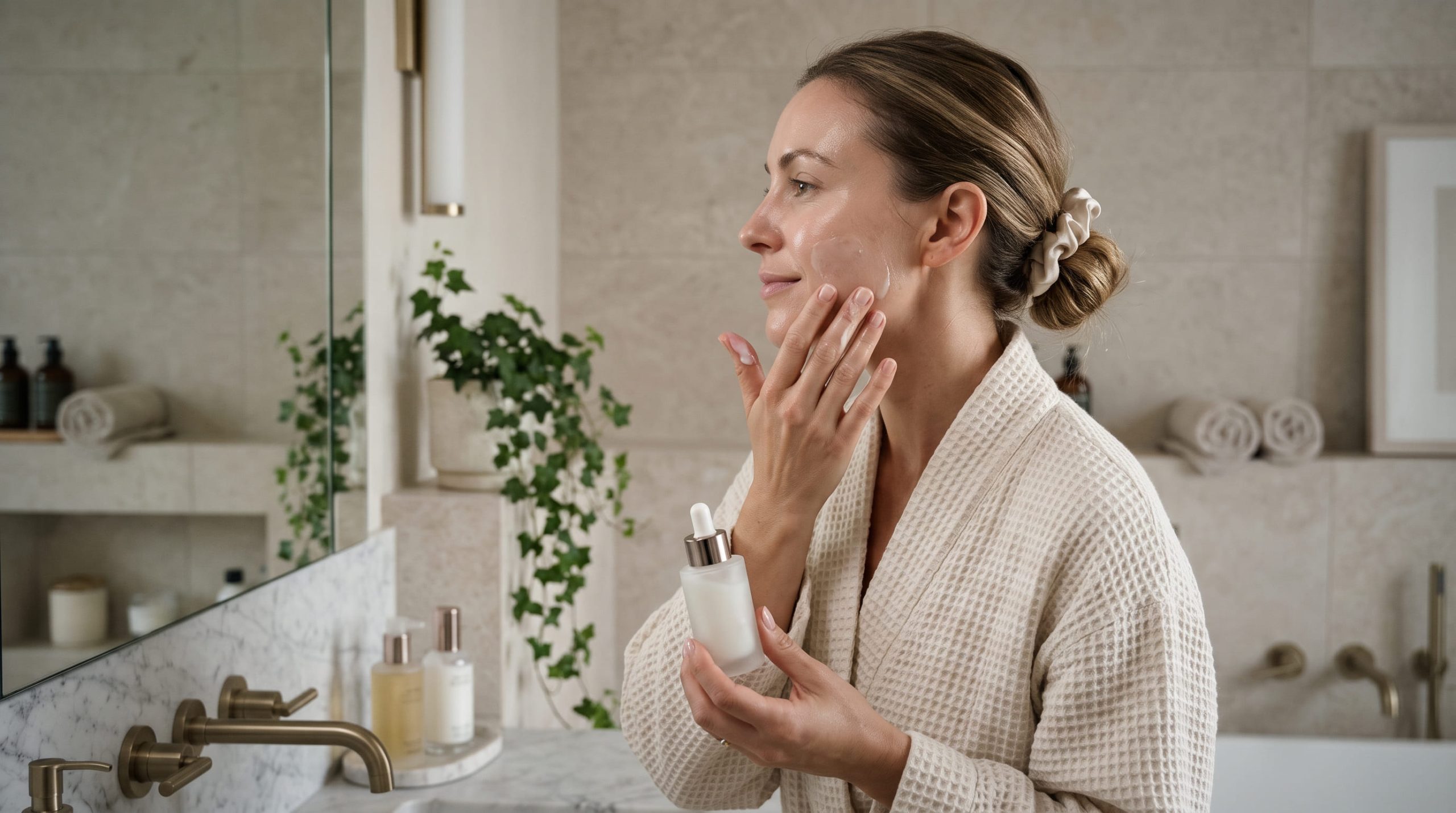
- Dry or dehydrated: Choose an emulsion with ceramides, then seal it with a cream at night. The Lavelier day and night moisturizers we tested on dry skin are a good example of that final layer.
- Combination: Use a milk cleanser and a light emulsion everywhere. Add a richer layer only on dry zones like the cheeks.
- Oily or blemish-prone: Skip heavy milk cleansers if they leave a film. A milk toner or featherweight emulsion is usually enough.
- Sensitive or reactive: Go fragrance-free with a short ingredient list. Introduce one new product at a time, a week apart, so you know who to blame.
Mistakes That Quietly Undo the Benefits
- Hot water. It strips the lipids you’re trying to protect. Rinse with lukewarm water.
- Rubbing with cotton pads. Friction is the enemy of a healing barrier. Use clean fingertips.
- Skipping SPF. UV exposure adds stress to a barrier that’s already struggling.
- Judging too soon. Three days isn’t a trial. Give any new routine two weeks, unless your skin burns or swells. Then stop immediately.
Who Should Go Carefully
- Acne-prone skin: Some emulsions use rich esters and oils. Patch test along the jawline for a few days first.
- Eczema-prone skin: Milky lotions can support comfort but don’t replace medical treatment. If eczema is part of your story, loop in your dermatologist.
- Dairy allergies: Stick with plant-based milky formulas.
FAQ: Quick Answers About Milk Textures
Is milky skincare good for dry skin?
Yes, when the formula includes barrier lipids and humectants. The emulsion delivers both together.
Can I use a milk cleanser and a milk toner together?
Yes. Keep the toner light, and skip it if your skin feels tacky.
Does a milky texture work for oily skin?
Often, yes. Thin emulsions hydrate without heaviness. Just choose oil-light formulas.
The Bottom Line
Milky skincare earns its hype because it respects how skin actually works: water and lipids, delivered gently, with no wrestling match. Start with one swap, a milk cleanser or an emulsion, and give your barrier two weeks before judging.
Want more barrier-friendly routines? Browse the rest of our skin care guides and see what to try next.


Leave A Comment